
Embarking on a new commercial construction project is one of the most significant investments a startup business can make. Building a physical brick-and-mortar presence, expanding a warehouse, or remodeling an existing layout represents a major milestone in growth. However, transitioning from a business blueprint to a finished structure involves a complex web of logistical considerations, regulatory hurdles, and operational adjustments. Successful project management hinges on early preparation and strategic alignment.
Before breaking ground, startup founders must step back to assess the scope of their project thoroughly. Every phase demands careful planning, from securing proper permits to establishing daily site operations. Failing to anticipate basic infrastructure needs can lead to costly delays, safety violations, and budget overruns. By understanding the core requirements of commercial site management, emerging companies can protect their capital and ensure their building project moves forward smoothly from day one.
Financial Planning and Budget Allocation

Establishing Realistic Capital Reserves
Starting a building project requires an accurate financial forecast that extends far beyond baseline materials and structural labor costs. Unexpected challenges regularly arise during ground excavation, permitting reviews, or interior finishing phases. Setting aside a dedicated contingency budget of at least fifteen to twenty percent prevents minor site issues from freezing work entirely. Early cash flow planning protects operational runway while your capital is tied up in physical infrastructure.
Account for Operational Soft Costs
Soft costs often surprise first-time founders who focus exclusively on land acquisition and physical construction expenses. Architectural fees, engineering assessments, zoning applications, and legal reviews represent substantial upfront investments. Additionally, site utilities, temporary land leases, and insurance coverage must be accounted for early in the budgeting process. Tracking these preliminary soft costs ensures complete transparency and helps prevent cash flow shortfalls before heavy machinery arrives on-site.
Regulatory Compliance and Permitting
Navigating Local Zoning Ordinances
Before finalizing architectural plans, startup leaders must thoroughly investigate local zoning laws and municipal ordinances. Municipalities enforce strict regulations regarding building heights, square footage limits, setback distances, and designated commercial land uses. Engaging with local planning boards early helps identify potential roadblocks, such as environmental impact studies or community design guidelines, well before construction bids are finalized.
Securing Mandatory Building Permits
Obtaining proper construction permits is non-negotiable for commercial builds. Acquiring building, electrical, plumbing, and structural permits requires clear documentation and meticulous compliance with local building codes. Work completed without active permits risks heavy municipal fines, mandatory structural tear-downs, or halted operations. Navigating these bureaucratic channels demands patience and clear communication with civil authorities to keep timeline expectations realistic.
Site Preparation and Environmental Safety
Conducting Comprehensive Soil Assessments
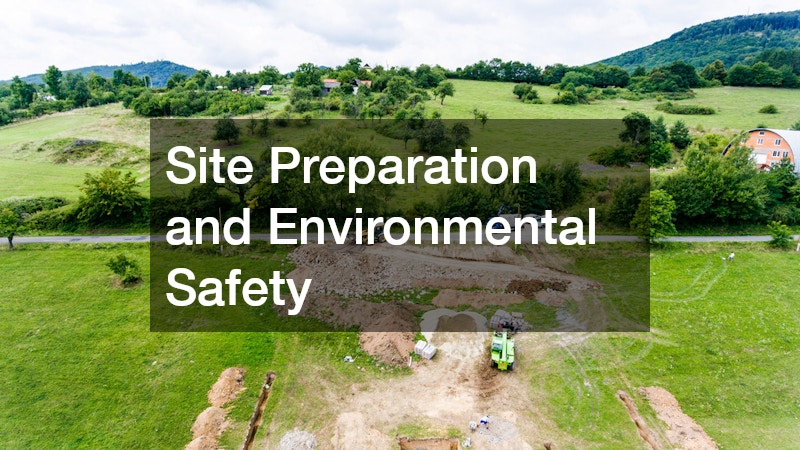
A stable foundation begins with understanding the physical properties of the building site. Geotechnical soil testing reveals load-bearing capacity, moisture content, and subterranean stability. Identifying high water tables, poor drainage, or unstable soil layers early prevents severe foundation cracking, water infiltration, and structural shifting down the road. Remediation work performed during early site prep is far less expensive than repairing a compromised foundation later.
Implementing Environmental Protection Measures
Environmental compliance requires proactive measures to contain site runoff and minimize local footprint. Installing silt fencing, protecting existing drainage channels, and managing dust emissions keep the project compliant with state and federal guidelines. Additionally, establishing clear protocols for handling hazardous materials ensures workers operate safely while shielding your startup from potential environmental liability and regulatory fines.
Site Infrastructure and Operational Logistics
Managing Waste and Debris Systems
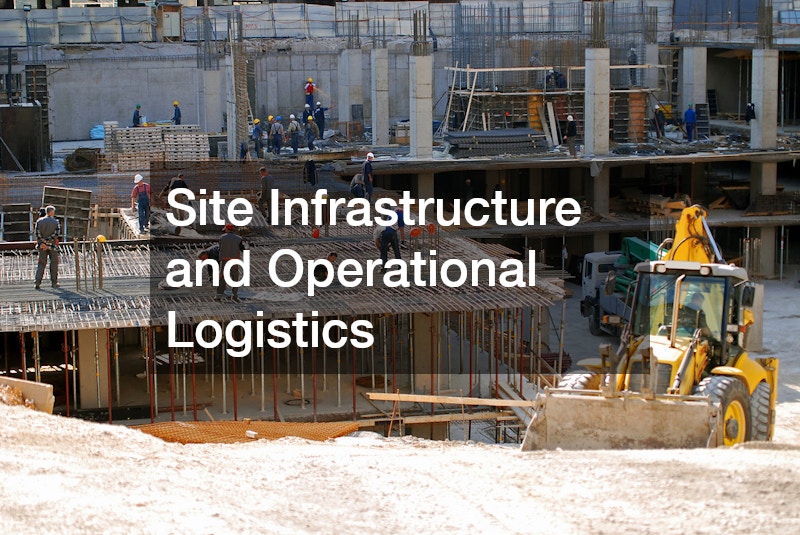
A clean jobsite is a productive, safe jobsite, making waste management dumpster arrangements essential prior to breaking ground. Heavy demolition scrap, excess lumber, packaging, and concrete cutoffs accumulate rapidly once work begins. Implementing structured waste collection zones keeps work pathways clear, reduces safety hazards, and prevents project delays caused by cluttered surroundings.
Organizing efficient waste removal routes ensures that site clear-outs happen on a predictable schedule without disrupting active trade crews. Partnering with dependable haulers allows materials to be sorted and hauled off efficiently. Prioritizing steady debris cleanup maintains site safety standards, keeps operations organized, and supports a professional environment for all trade workers on location.
Setting Up Temporary Utilities
Construction crews rely on immediate access to power, water, and internet connectivity from day one. Coordinating with municipal utility providers to set up temporary power poles and water lines ensures trade professionals can operate tools and test systems without relying solely on noisy, expensive fuel generators. Early utility installation keeps the build running smoothly and avoids unnecessary operational delays.
Equipment Procurement and On-Site Resources
Sourcing Heavy Machinery Efficiently
Commercial job sites rely on specialized heavy machinery to handle heavy lifting, earthmoving, and structural material transport. Leasing machinery through equipment rental services allows growing businesses to access modern, high-grade machinery without incurring massive capital expenditures or ongoing maintenance burdens. This flexible approach ensures your crew has the right tools for each phase of the build.
Moving heavy pallets of masonry, structural steel, and framing materials across uneven ground requires specialized lifting power on site. Utilizing a forklift rental gives your team the mechanical support needed to unload delivery flatbeds quickly and position materials right where trade workers need them. Efficient ground transport prevents material bottlenecks and keeps labor workflows moving on schedule.
Sourcing Quality Hardware and Supplies
Maintaining a direct relationship with a trusted contractor supply store ensures your team can easily restock critical hardware, fasteners, protective gear, and specialized tools. Sourcing high-quality supplies locally minimizes downtime caused by missing parts or delivery delays. Having a dependable supplier on call keeps work moving smoothly without unexpected interruptions.
Workplace Sanitation and Worker Welfare
Providing Sanitation and Restroom Access
Maintaining proper health and sanitation standards is essential for jobsite safety and worker morale. Securing portable restroom rentals ensures that basic hygiene facilities are delivered and positioned strategically across the site before work crews arrive. Adequate sanitation support keeps your jobsite compliant with occupational health regulations and helps maintain clean working conditions.
Selecting the right toilet rental options involves calculating crew size, shift lengths, and required service frequencies. Clean, well-maintained sanitation facilities foster a professional environment and keep worker health and comfort prioritized throughout demanding phases of construction.
Establishing Break Areas and Water Stations
In addition to basic sanitation, establishing sheltered break areas and hydration stations keeps crews safe during extreme weather conditions. Providing shaded zones, clean drinking water, and basic first-aid stations reduces fatigue and heat-related risks. Investing in basic worker comfort improves overall productivity and reflects positively on your company’s operational standards.
On-Site Secure Storage and Asset Protection
Protecting Tools and High-Value Materials
Jobsite theft and weather damage represent constant threats to project timelines and budgets. Securing flexible storage rental solutions provides weatherproof, lockable spaces to safeguard expensive power tools, electrical wiring, and plumbing fixtures overnight. Secure storage containers prevent inventory loss and protect materials from rain, wind, and humidity.
Having lockable containers on location protects valuable assets during non-working hours and weekends. Organizing tools and inventory within dedicated storage units keeps your site structured, reduces lost working hours spent searching for items, and safeguards your financial investment against damage or theft.
Implementing Perimeter Security Control
Controlling physical access to your building site protects the public from hazardous conditions and safeguards your assets. Installing temporary security fencing, posting warning signage, and positioning motion-activated lighting deters unauthorized entry. For larger commercial builds, investing in remote monitoring cameras provides around-the-clock visibility and protection.
Waste Containment and Site Cleanliness
Selecting Scalable Container Solutions
Managing heavy building materials demands robust containment strategies tailored to your project’s specific scope. Securing a construction dumpster rental ensures your site can handle large volumes of concrete, drywall, framing cutoffs, and demolition debris efficiently. Choosing the correct container size prevents overflowing waste and maintains clear pathways across the site.
Partnering with an experienced dumpster rental service allows you to establish scheduled pickups or on-demand swaps as project phases change. Maintaining clean collection zones prevents hazardous clutter, supports compliance with local sanitation codes, and ensures trades can operate efficiently without navigating scattered debris.
Developing Recycling and Material Sorting Plans
Modern commercial projects increasingly prioritize sustainable waste disposal practices. Separating scrap metal, clean lumber, cardboard, and concrete into dedicated bins allows materials to be recycled rather than landfilled. Implementing a structured material sorting plan can lower disposal fees, support environmental standards, and strengthen your startup’s sustainability reputation.
Vendor Synchronization and Contingency Management
Streamlining On-Site Resource Coordination
Maintaining smooth daily operations requires synchronizing every vendor partnership so material arrivals, equipment drops, and site servicing align seamlessly with trade schedules. Contracting a reliable dumpster rental service alongside your main waste management dumpster ensures high-volume demolition phases are handled without delay. Similarly, coordinating your storage rental deliveries with early portable restroom rentals gives site managers an immediate operational footprint before crews arrive. Establishing clear delivery windows prevents traffic congestion in tight staging areas, reduces expensive crew downtime, and allows subcontractors to focus entirely on structural progress.
Optimizing Daily Logistics and Resource Flow
Effective resource management depends on having the right support services ready precisely when your build demands them. Coordinating continuous waste removal with an active forklift rental allows ground crews to clean up debris and clear unloading zones simultaneously. Positioning a properly sized construction dumpster rental near key work areas while maintaining clean toilet rental options near break zones improves overall worker productivity and safety. Relying on a dependable contractor supply store alongside versatile equipment rental services gives project leads the flexibility needed to address unexpected timeline shifts immediately.
Contractor Selection and Project Oversight
Vetting General Contractors and Subcontractors
Selecting the right leadership for your build is critical to project success. Thoroughly vet potential general contractors by reviewing past commercial projects, verifying active licenses, checking insurance coverage, and contacting references. A qualified general contractor manages daily subcontractor schedules, maintains quality control, and ensures work stays aligned with approved architectural plans.
Establishing Clear Communication Protocols
Clear communication prevents costly misunderstandings between startup founders, project managers, and trade leads. Establish weekly progress meetings, formal change-order protocols, and transparent budget tracking updates. Utilizing digital project management software provides real-time visibility into schedules, material deliveries, and pending inspections, keeping all stakeholders aligned.
Managing Timelines, Inspections, and Quality Control
Building a Phased Construction Schedule
A realistic timeline breaks the build down into logical, sequential phases: site clearing, excavation, foundation pouring, framing, utility rough-ins, drywall installation, and final interior finishes. Incorporate buffer periods to accommodate weather delays or material lead times. Monitoring milestone completions closely helps catch delays early before they impact target opening dates.
Preparing for Mandatory Municipal Inspections
Throughout the build, municipal inspectors will evaluate structural integrity, electrical wiring, plumbing systems, and fire safety measures at key milestones. Work must be officially approved before walls are closed up or power is fully energized. Preparing for these walkthroughs in advance prevents failed inspections that can stall construction and balloon labor costs.
Final Walkthrough and Occupancy Planning
Executing the Final Punch List Walkthrough
As major building activities near completion, perform a detailed walkthrough with your general contractor to create a final punch list. Inspect interior finishes, door hardware, HVAC performance, electrical outlets, and plumbing fixtures for any defects or incomplete work. Resolving these minor issues before final payment guarantees that your space meets all quality standards.
Obtaining the Certificate of Occupancy
Before opening your doors to employees or customers, the local building department must issue an official Certificate of Occupancy. This document verifies that the structure meets all applicable safety, zoning, and building codes. Securing this certification represents the final regulatory hurdle, clearing the path for your startup to move in and launch operations.
Blueprint for Construction Success
Taking a commercial building project from concept to reality is a dynamic journey that tests a startup’s organizational agility and operational discipline. Success relies on balancing big-picture vision with rigorous attention to on-site logistics, safety protocols, regulatory compliance, and budget management. Every decision made during early preparation impacts your project’s overall timeline and financial health.
By prioritizing thorough site prep, securing reliable equipment rentals, and maintaining clean, safe working environments, emerging business leaders can navigate commercial construction with confidence. Approaching your build with structured planning, open communication, and trusted trade partners ensures your project stays on schedule. With the right foundation in place, your business will step into a custom-built facility ready to drive long-term growth and success.