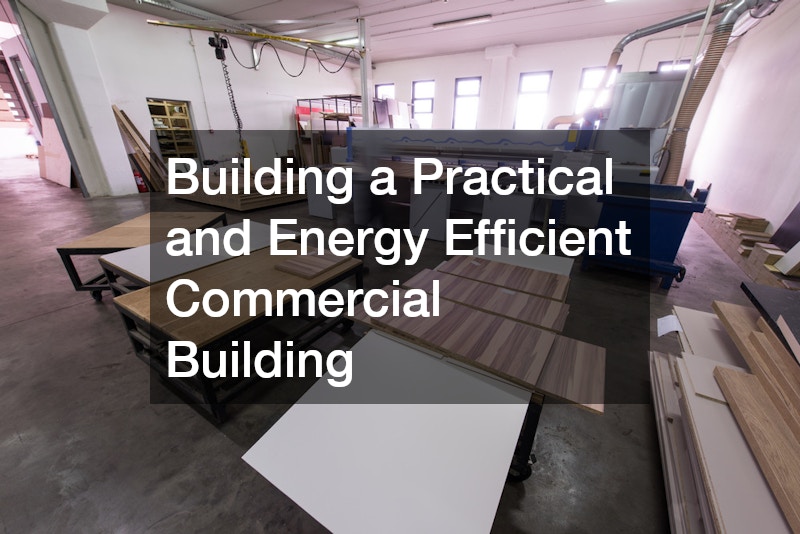
Building a practical and energy-efficient commercial building has become a critical priority for modern organizations, developers, and property owners. Rising energy costs, environmental concerns, and increasing demands for sustainable development have made energy efficiency a foundational requirement rather than an optional enhancement. An energy-efficient commercial building not only lowers operational expenses but also improves occupant well-being, enhances comfort, and reduces a property’s ecological footprint.
Choosing the right commercial construction team is vital to ensuring a building meets energy performance goals. Experienced commercial building contractors can coordinate every aspect of a project, from planning and material selection to installation of key components such as commercial doors, roofing, fencing, and electrical systems. Services such as commercial spray foam roofing services, pest control, and proper insulation installation play a crucial role in maintaining efficiency while ensuring long-term durability and safety.
Energy-efficient commercial buildings reduce greenhouse gas emissions, minimize reliance on propane or other fossil fuels, and support corporate sustainability goals. Integrating renewable energy solutions, sustainable materials, and modern building technologies allows businesses to achieve both environmental responsibility and financial savings. Beyond immediate cost benefits, sustainable commercial buildings enhance long-term property value, attract tenants seeking green workplaces, and comply with increasingly stringent building regulations.
Key Principles of Energy-Efficient Building Design
Passive Solar Design
Passive solar design harnesses sunlight to provide natural heating, cooling, and lighting, reducing reliance on mechanical systems. This approach requires careful consideration of building orientation, window placement, and shading. Commercial construction teams analyze solar exposure to determine optimal orientations for maximizing winter sunlight while minimizing summer heat gain. Strategic passive solar planning complements active systems such as HVAC and mechanical cooling, producing a building that is both energy-efficient and comfortable year-round.
Insulation and Thermal Mass
Proper insulation stabilizes indoor temperatures and reduces energy demand. Commercial spray foam roofing services are particularly effective at sealing roofs, preventing heat loss in winter and reducing heat gain in summer. Thermal mass, created through materials such as concrete or masonry installed by a commercial concrete contractor, absorbs and gradually releases heat, smoothing out temperature fluctuations. This combination ensures a more stable interior environment and reduces reliance on heating and cooling systems.
Building Orientation and Site Planning
Early-stage site planning determines long-term energy performance. Optimal building orientation leverages natural light, prevailing winds, and surrounding landscape features. Strategic placement of commercial fencing, landscaping, and shade trees reduces solar heat gain and wind exposure. Developers also consider pedestrian access, stormwater management, and parking layouts to reduce heat islands and optimize the surrounding environment. By integrating thoughtful site planning, a commercial building achieves better energy performance and contributes positively to the surrounding community.
High-Performance Windows and Doors
Windows and doors are significant points of energy loss in commercial buildings. High-performance commercial doors and multi-pane, low-emissivity windows improve insulation while providing secure, visually appealing entryways. Electrical contractors often collaborate with door installers to ensure proper integration of automated access controls and lighting systems. Together, these components minimize heat transfer, reduce HVAC demand, and contribute to the building’s overall energy efficiency.
Energy-Efficient Lighting Solutions
Lighting is a significant contributor to commercial energy use. Modern LED systems, occupancy sensors, automated dimming, and daylighting controls dramatically reduce energy consumption while improving lighting quality. Integrating lighting into building automation systems ensures lights operate only when necessary, reducing unnecessary electricity use and lowering operational costs. Thoughtful lighting design can also enhance occupant comfort and productivity.
Achieving Green Certification for Commercial Buildings
Understanding LEED Certification
LEED (Leadership in Energy and Environmental Design) certification evaluates buildings based on energy performance, water efficiency, indoor environmental quality, and responsible material usage. Achieving LEED certification demonstrates a commitment to sustainability, reduces operational costs, and increases a property’s marketability. Commercial building contractors work closely with design teams to select materials, mechanical systems, and construction practices that align with LEED standards, including advanced roofing, commercial doors, and HVAC optimization.
Navigating BREEAM Standards
BREEAM is an internationally recognized assessment system that focuses on environmental performance throughout the building’s lifecycle. From design to operation and eventual decommissioning, BREEAM evaluates energy use, water efficiency, and material sustainability. Commercial construction professionals ensure that buildings meet these criteria, incorporating efficient construction methods, sustainable roofing options, and environmentally conscious materials.
Implementing Energy Star Guidelines
Energy Star certification recognizes buildings with superior energy performance relative to comparable structures. Following Energy Star guidelines involves monitoring energy use, installing high-efficiency lighting and HVAC systems, and implementing smart building controls. Electrical contractors play a vital role in integrating these systems and ensuring proper functionality. Buildings that earn Energy Star certification often enjoy reduced utility costs and enhanced operational performance.
The Role of WELL Building Standards
WELL certification emphasizes occupant health, comfort, and wellness. It addresses air quality, lighting, acoustic performance, and ergonomics. Sustainable landscaping, pest control measures, and thoughtful placement of commercial fencing enhance WELL compliance by creating safe, healthy, and attractive outdoor spaces. Incorporating WELL standards ensures that energy-efficient buildings are also conducive to occupant health and productivity.
Documenting and Submitting Your Project
Achieving green certification requires thorough documentation, including energy models, construction reports, and system commissioning records. Commercial building contractors coordinate these processes to ensure compliance with LEED, BREEAM, Energy Star, or WELL standards. Accurate documentation supports project approval, verifies energy efficiency, and provides a roadmap for future building upgrades.
Sustainable Construction Material Options
Recycled and Reclaimed Materials
Recycling and reclaiming materials reduce environmental impact while supporting sustainable construction. Reclaimed steel, wood, and recycled concrete installed by commercial concrete contractors can be used structurally or aesthetically, providing durability without consuming new resources. Using these materials helps reduce construction waste and contributes positively to environmental certifications.
Low-VOC Paints and Finishes
Low-VOC paints and finishes improve indoor air quality by minimizing chemical emissions. Selecting environmentally friendly paints, coatings, and adhesives enhances occupant comfort and reduces environmental hazards. These finishes are often paired with high-performance doors and windows to create safe and sustainable indoor environments.
Sustainable Wood Products
Certified sustainable wood products, including FSC-certified lumber, reduce deforestation while providing durable materials for construction. Engineered wood and rapidly renewable options can be used for structural components, flooring, or interior finishes, complementing other sustainable building practices.
Innovative Insulation Materials
Innovative insulation materials, such as spray foam applied by commercial roofing services, cellulose, mineral wool, or reflective barrier systems, improve thermal performance. These materials reduce heating and cooling loads, extend building life, and enhance overall energy efficiency.
Green Roofing Options
Green roofs and reflective roofing systems reduce heat absorption, improve insulation, and extend roof lifespan. Commercial roofing services that specialize in energy-efficient systems can ensure proper installation, drainage, and maintenance, making green roofing an effective long-term investment. Vegetative roofs also improve stormwater management and provide usable outdoor spaces for tenants.
Incorporating Renewable Energy Sources
Solar Panel Systems
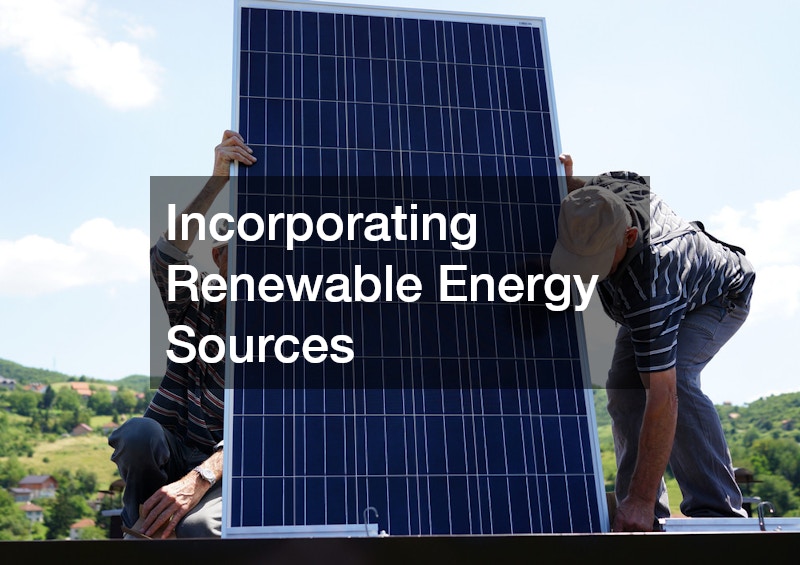
Solar panels provide predictable, renewable energy, reducing reliance on grid power and propane systems. Rooftop or ground-mounted solar arrays, often paired with energy storage, support continuous building operation and reduce long-term utility costs.
Wind Energy Applications
Small-scale commercial wind turbines complement solar energy production, especially in regions with high wind potential. Hybrid solar-wind systems maximize energy output throughout the year, creating a more resilient energy supply for commercial buildings.
Geo-Exchange Systems
Geo-exchange or geothermal systems leverage stable ground temperatures to provide heating and cooling. By reducing HVAC loads, these systems improve energy efficiency and comfort. Commercial building contractors often incorporate geo-exchange systems during construction to achieve optimal long-term performance.
Biomass Technologies
Biomass systems convert organic material into thermal energy, providing a renewable source of heat. Commercial facilities can integrate biomass with HVAC systems, offering an efficient alternative to conventional heating while minimizing environmental impact.
Incentives and Subsidies
Governments offer a variety of incentives for renewable energy integration, including tax credits, rebates, and low-interest financing. These programs reduce upfront costs and encourage widespread adoption of solar, wind, and biomass systems in commercial construction projects.
Cost-Effective Strategies to Improve Building Efficiency
Conducting Energy Audits
Energy audits identify inefficiencies and provide actionable recommendations for reducing energy consumption. Commercial building contractors use audits to prioritize upgrades, including HVAC improvements, roofing upgrades, and lighting optimization.
Retrofitting Existing Structures
Retrofitting older buildings often yields substantial energy savings. Updates may include installing energy-efficient commercial doors, replacing outdated HVAC equipment, upgrading insulation, or implementing automated lighting controls. Retrofitted buildings frequently see immediate reductions in energy use and operating costs.
HVAC Optimization Techniques
Optimizing HVAC systems involves system recalibration, component upgrades, and integrating energy recovery ventilation. Propane backup systems can supplement heating during extreme weather events, ensuring comfort while maintaining energy efficiency.
Implementing Smart Building Technologies
Smart building platforms allow real-time monitoring of energy consumption, water usage, and occupancy patterns. Electrical contractors often oversee the installation of these systems, ensuring that lighting, HVAC, and other systems adjust automatically to changing conditions.
Water Conservation Measures
Low-flow fixtures, efficient irrigation, and stormwater management strategies minimize water consumption. Drip irrigation, native plant landscaping, and green roofs reduce water use while maintaining aesthetic and functional quality for commercial properties.
Importance of Effective Building Management
The Role of Building Management Systems
Building Management Systems (BMS) centralize control over lighting, HVAC, security, and energy systems. BMS platforms enable predictive adjustments based on occupancy, weather, and energy consumption, ensuring optimal performance while reducing waste.
Monitoring and Tracking Energy Performance
Continuous energy monitoring allows facilities managers to identify inefficiencies and respond quickly. Commercial roofing and insulation can be evaluated to maintain energy performance, while pest control measures ensure that structural systems remain undamaged.
Staff Training and Awareness
Educating staff on energy-conscious practices ensures sustained efficiency. Proper use of commercial doors, HVAC controls, lighting systems, and other equipment reduces energy waste and extends the life of building components.
Implementing Maintenance Schedules
Regular inspections of commercial roofing, HVAC, electrical systems, and commercial fencing help prevent failures and maintain efficiency. Scheduled maintenance supports long-term building performance and cost savings.
Adapting to New Technologies
As building technologies evolve, retrofitting systems, upgrading automation, and integrating renewable energy solutions keep commercial buildings efficient and competitive. Contractors ensure seamless adoption of new technologies without compromising operations.
Maximizing Natural Lighting
Strategic Window Placement
Optimizing window placement reduces artificial lighting needs while providing natural illumination. High-performance commercial doors and glazing solutions complement daylight strategies, reducing energy costs.
Appropriate Use of Skylights
Skylights enhance vertical daylight penetration, particularly in large commercial spaces, decreasing daytime lighting requirements. Commercial roofing services ensure proper installation and energy efficiency of skylights.
Light Shelves and Reflective Surfaces
Light shelves and reflective surfaces extend sunlight deeper into interiors, minimizing the need for artificial light while improving comfort and productivity.
Sun Shading Devices
Exterior and interior shading devices prevent glare and heat gain. Adjustable systems allow seasonal and hourly optimization, improving energy efficiency and occupant comfort.
Daylighting Control Systems
Automated daylighting systems adjust electric lighting based on natural light availability. This integration reduces electricity consumption while maintaining a well-lit, productive environment.
Landscaping Influence on Energy Efficiency
Utilizing Shade Trees
Trees strategically planted around a building provide natural shade, reducing cooling loads and improving outdoor comfort.
Green Roofing and Walls
Green roofs and living walls improve thermal performance, reduce heat islands, and provide additional insulation.
Stormwater Management
Permeable paving, rain gardens, and bioswales minimize runoff and support energy-efficient site management.
Native Plant Selection
Native species require minimal irrigation and support local ecosystems while reducing resource use.
Drip Irrigation Systems
Drip irrigation delivers water directly to plant roots, minimizing waste and promoting sustainability.
Planning an Energy-Efficient HVAC System
System Sizing and Selection
Correct HVAC sizing ensures energy is not wasted, while maintaining occupant comfort. Commercial building contractors and electrical contractors play key roles in equipment selection and installation.
Zoning Strategies
Zoning allows independent temperature control in different areas, reducing energy waste in rarely used spaces.
Advanced Control Systems
Smart thermostats and predictive controls optimize energy use based on occupancy and environmental conditions.
Energy Recovery Ventilation
Energy recovery systems capture and reuse exhaust heat, reducing HVAC demand and energy costs.
Seasonal Commissioning and Adjustments
Seasonal recalibration ensures efficient operation and occupant comfort throughout the year.
Emerging Technologies Enhancing Energy Efficiency
The Impact of IoT on Energy Use
IoT-enabled sensors continuously track energy use, temperature, and air quality, enabling automated responses to reduce waste.
Building Automation Innovations
Advanced automation integrates lighting, HVAC, and security systems to reduce operational costs and improve energy performance.
Energy Storage Solutions
Battery storage systems capture excess renewable energy for later use, reducing reliance on propane or grid electricity.
Adaptive Façades
Dynamic façades adjust transparency, shading, and ventilation in response to environmental conditions, improving efficiency.
Artificial Intelligence in Construction
AI predicts energy demand, supports maintenance scheduling, and recommends operational adjustments for optimal performance.
Final Thoughts
Energy-efficient commercial buildings deliver measurable benefits across financial, environmental, and operational dimensions. By integrating commercial construction best practices, commercial spray foam roofing services, commercial doors, roofing, and fencing, renewable energy systems, and smart building technologies, organizations can achieve long-term efficiency and sustainability. Effective pest control, propane management, and ongoing maintenance further enhance building performance. Collaborating with experienced commercial building contractors, electrical contractors, and commercial concrete contractors ensures that every aspect of construction and operation supports energy efficiency, occupant comfort, and environmental responsibility. Sustainable commercial construction is no longer optional—it is a strategic investment in long-term value, resilience, and environmental stewardship.