Custom signage is a vital marketing tool for businesses to communicate their brand identity. Understanding design options and evaluating them is crucial to making an impact and ensuring alignment with the overall brand strategy.
The first step is understanding the purpose of the signage, aligning it with business goals like attracting customers or enhancing the brand image. By identifying the function, designers can create appealing, purposeful signs.
Material Selection
Material selection affects durability, appearance, and cost. Options like metal, plastic, and wood offer different benefits. Metal offers longevity and weather resistance, ideal for outdoor use.
Branding
Branding is critical. Signage should reflect brand values, using consistent colors, fonts, and logos to build recognition and trust with customers.
Effective signage not only serves as a point of visual engagement but also acts as a communication tool that connects the brand with its audience. By maintaining a cohesive visual identity through signage, businesses can strengthen their brand’s message and ensure a seamless customer experience.
Moreover, high-quality signage contributes to the perceived professionalism and credibility of a brand. When customers encounter well-designed signage that mirrors the essence of the brand, it enhances their perception and increases the likelihood of loyalty. Therefore, investing time and resources into creating impactful signage is crucial for businesses aiming to establish a strong brand presence.
Balancing Budget and Quality
Balancing budget and quality is important, as higher-quality materials often provide long-term value. Environmental factors and durability must be considered; the signage must endure local weather conditions to remain attractive and functional.
Durability is a key consideration; materials like aluminum and stainless steel are favored for resilience. Cost efficiency involves balancing upfront costs with long-term savings, while lightweight materials reduce installation and maintenance costs.
Aesthetic Appeal and Maintenance
Aesthetic appeal is significantly influenced by material choices, as different textures, colors, and finishes can dramatically alter the visual impact of any design element. For instance, using wood can provide a warm and rustic feel, commonly associated with comfort and homeliness. On the other hand, opting for metal can give a sleek, modern appearance, often linked with innovation and minimalism. These stylistic choices are integral in setting the ambience and defining the overall aesthetic language of a space.
Equally important is the practicality of material maintenance, which plays a crucial role in the long-term costs and usability of a material. Materials that inherently resist dirt and rust, such as certain treated metals or composite woods, are often preferred due to their longevity and reduced need for frequent upkeep. This practicality ensures that both aesthetic and financial aspects are considered, providing a balance between visual appeal and economic efficiency, ultimately leading to a sustainable design approach.
Sustainability
As global awareness of environmental issues grows, sustainability has become a pivotal concern for industries worldwide. Consumers are progressively aligning their purchasing decisions with their environmental values, driving companies to adopt greener practices. By integrating eco-friendly materials into their products and operations, businesses not only reduce their carbon footprint but also appeal to a more extensive customer base that values ecological responsibility.
Moreover, the shift towards sustainable practices isn’t just a trend but a commitment to preserving the planet for future generations. Companies that prioritize sustainability often experience enhanced brand reputation and customer loyalty. Eco-conscious consumers are more likely to support businesses that demonstrate a genuine concern for the environment, resulting in long-term benefits that transcend immediate financial gains. Therefore, embracing sustainability is not only beneficial for the planet but also a strategic move for businesses aiming to stand out in competitive markets.
Technology in Signage Design
Technology is transforming signage design, prompting decisions between digital and traditional signage, and enabling trends like augmented reality. Technological innovations allow interactive and engaging customer experiences.
Customization through software enables tailored designs, while new installation methods simplify deployment. Brand cohesion is achieved by aligning signage with the brand identity, using consistent design elements to reinforce brand recognition.
Colors and typography enhance branding by evoking emotions and aligning with the brand image. Incorporating company values fosters audience connection and differentiates the brand.
Case Studies and Challenges
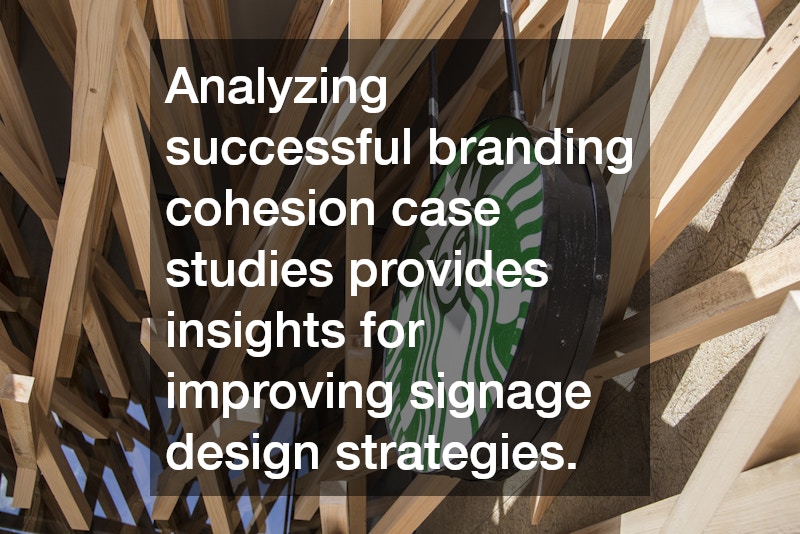
Analyzing successful branding cohesion case studies provides insights for improving signage design strategies.
Challenges include navigating regulatory compliance, balancing aesthetics and functionality, managing timelines, meeting client-specific needs, and addressing budget constraint
Businesses must evaluate signage design options by considering purpose, materials, branding, and technology while addressing challenges like compliance and budget. Well-designed signage impacts brand visibility and engagement. Staying updated on technological and sustainability trends ensures relevance and effectiveness in a dynamic marketplace.